
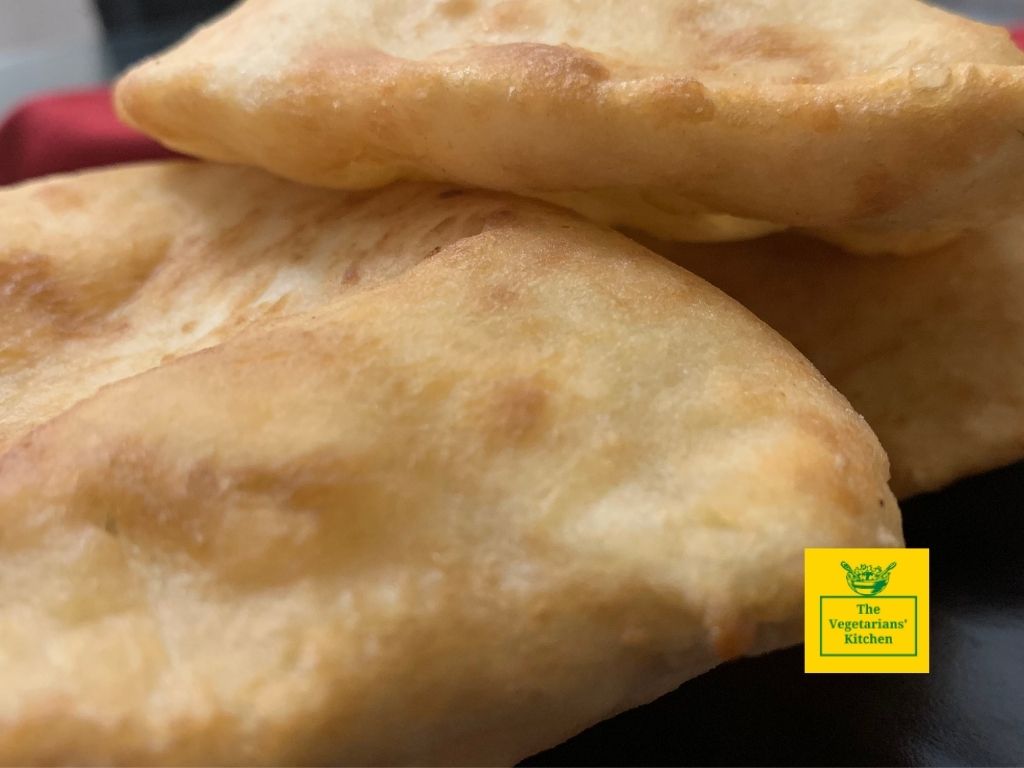
This fried bread from Panama is pure indulgence
Hojaldres is a traditional Panamanian dish, a fried dough that is typically eaten for breakfast. Honestly, I didn’t know such a dish existed till a few months ago, when it was mentioned on one of my favourite American TV shows, NCIS. Once I tried it, however, my first thought was: where has this dish been all my life???
Hojaldres, as my research indicates, is typical to Panama though it is also popular in other Hispanic regions. It is usually eaten with, well, anything — from fruit jam to vegetables. It is a versatile bread and pairs well with anything and everything. You like cheese? So does hojaldres. How about chutney? Hojaldres likes it too. Curry? Go for it, hojaldres will not object.
Simply take one bread, fill it with your preferred filling, roll it up and bite into it. Or tear off a piece, dip it into your favourite chutney and let it take over your tastebuds. The best part? Hojaldres tastes great even without any filling or dip. Since it is deep fried, it tastes great even if you eat it on its own, as opposed to, say, a slice of plain white sandwich bread, which can be pretty bland.
In many ways, hojaldres is similar to the Indian bread, luchi and the Balkan bread, mekici. Which is why I have included it as part of my Delicious Fried Bread series. You can check out the recipes for luchi here and for mekici here.
Before I move on to the recipe, I do want to share a word of caution. All of you experienced cooks already know this but since TVK is mainly for beginners in the kitchen, we do want to expressly state how important it is to be very careful when you are deep frying anything. Ensure that your spatula is dry and so are your hands. If even a little bit of water drips into the hot oil, drops of oil can rise and splatter on to your hands. Safety first!
That being said, I hope you enjoy making and eating hojaldres! Let us know your thoughts in the comments.
Hojaldres recipe
Ingredients:
240 grams all-purpose flour (maida)
2 tsp salt
1 tsp sugar
2 tsp baking powder
2 tsp butter
Water as needed
Oil for frying (approximately 2 cups or more, depending on the size of your pan)
Method:
Sift together the flour, salt, sugar and baking powder. Mix in the butter.
Add a few teaspoons of water and start mixing the dough. Add the water as needed, a few teaspoons at a time. The aim is to create a soft dough, but not a sticky one so be careful with the amount of water you add to the flour. Depending on the brand of flour you use, you’ll probably need between ½ cup and 1 cup of water.
Once your dough is nice and soft, place it in a bowl and cover it with a cloth or a plate. Let it rest for an hour. (Note for beginners: Do not expect it to rise or double in size, this is not a yeast dough. #JustSaying)
Once it is ready, divide it into equal portions (I got six).
On a stove, place a pan with the flame on medium. Pour enough oil to fill about ½ the depth of the pan.
While the oil heats, take one of the portions of dough and begin stretching it with your fingers to create a flat, somewhat round, piece of dough.
Take the stretched dough and very carefully slide it into the hot oil. Once one side of the dough turns a light brown, flip it so the other side does as well. Do this a couple of times over the next 3-4 minutes so that both sides turn brown.
Take out the hojaldres with the spatula and drain on a paper napkin/ tissue/ paper towel to remove the excess oil. Then repeat with the next piece of dough.
Serve with your preferred accompaniment. Enjoy!
Pro tip
While stretching the dough with your fingers is the traditional way to make hojaldres, I found it difficult to keep an eye on the oil and hand stretch my dough at the same time. So I cheated and took the easy way out by stretching the dough on a flat surface with a rolling pin instead. I found this easier since I have grown up rolling chapatis. You are free to try whichever method works for you.
The temperature of the oil is very important when you are deep frying. If your oil is not hot enough, your dough will take a long time to turn brown on each side, and will end up absorbing a lot of oil in the process. You’ll be left with a very oily hojaldres. If your oil is too hot, the surface of your hojaldres will turn brown very quickly, but it would not have cooked within. You’ll be left with a half-cooked hojaldres. So how do you know if your oil is hot enough to start frying? Take a really really small bit of the dough and drop it into the oil. If it starts sputtering, then you know your oil is ready for frying. Once you start frying, you still need to ensure the oil doesn’t heat up further. You’ll need to regulate the flame as needed. Don’t worry, you’ll get the hang of it with practice!
 The Vegetarians' Kitchen